
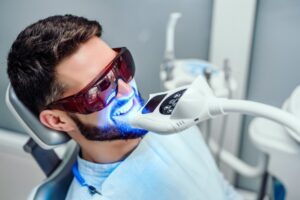
Teeth whitening is a fast and effective way to brighten your smile, but it can sometimes lead to temporary tooth sensitivity. This sensitivity often occurs when whitening agents penetrate the enamel and irritate the inner layers of the tooth. The good news is that there are simple ways to minimize discomfort and still enjoy great results. Here are 4 helpful tips for avoiding sensitivity after teeth whitening.
1. Use a Desensitizing Toothpaste Before and After Treatment
One of the best ways to prepare for teeth whitening is by using toothpaste designed for sensitive teeth. These products contain ingredients that help block the pathways to the nerves inside your teeth, reducing sensitivity over time.
Start using a desensitizing toothpaste at least one to two weeks before your whitening treatment and continue afterward. This helps strengthen your teeth and makes the whitening process more comfortable.
2. Avoid Overusing Whitening Products
It can be tempting to whiten your teeth more frequently to achieve faster results, but overuse can increase sensitivity and even damage your enamel.
Always follow the instructions provided with your whitening product or those given by your dentist. Spacing out treatments allows your teeth time to recover and reduces the likelihood of irritation.
If you’re unsure about how often to whiten, your dentist can recommend a schedule that balances effectiveness with safety.
3. Choose Professional or Dentist-Recommended Options
Not all whitening products are created equal. Over-the-counter options can vary in strength and quality, which may increase your risk of sensitivity if used incorrectly.
Consulting your dentist before whitening can help you choose a product or treatment that is safe for your teeth. Professional whitening treatments are often tailored to your needs and may include protective measures to minimize sensitivity.
Custom trays, for example, ensure even application and reduce contact with your gums, which can also help prevent irritation.
4. Avoid Hot, Cold, and Acidic Foods Temporarily
After whitening, your teeth may be more sensitive to temperature and certain foods. Avoiding extremely hot or cold drinks, as well as acidic foods like citrus and soda, can help reduce discomfort during the recovery period.
Stick to lukewarm foods and beverages for a few days after treatment. This gives your teeth time to settle and helps prevent triggering sensitivity.
Protecting Your Smile After Whitening
In addition to these tips, maintaining good oral hygiene and staying hydrated can support your overall oral health. Drinking water helps wash away irritants and keeps your mouth balanced.
Tooth sensitivity after whitening is usually temporary, but taking the right precautions can make a big difference in your comfort. By preparing your teeth, using products correctly, and being mindful of your diet, you can enjoy a brighter smile without unnecessary discomfort.
About the Author
Dr. Steve Cha has been practicing dentistry for more than 20 years. He earned his Doctor of Dental Surgery degree from the Loma Linda University School of Dentistry and over the years has completed countless hours of continuing education, taking courses through SPEAR Education and working alongside pediatric dentists to better learn how to treat children. Dr. Cha also stays current in his field through memberships in the American Dental Association and the Texas Dental Association. If you’re interested in getting a dazzling bright smile through teeth whitening, book online or give our Frisco office a call at (972) 529-1800.